
A Firefighters Guide to Solar Panels
With the increase in efforts to use alternative sources of energy, firefighters are being faced with a new challenge. We are beginning to see a rise in photovoltaic (PV) generation of electricity. This form of generating electricity has been around for quite a while but has only recently begun to take hold in the general public. It’s pretty simple to understand. Light strikes the cell and magically makes electricityJ. Ok maybe it’s a little more than that but for a firefighter that’s a pretty good description.
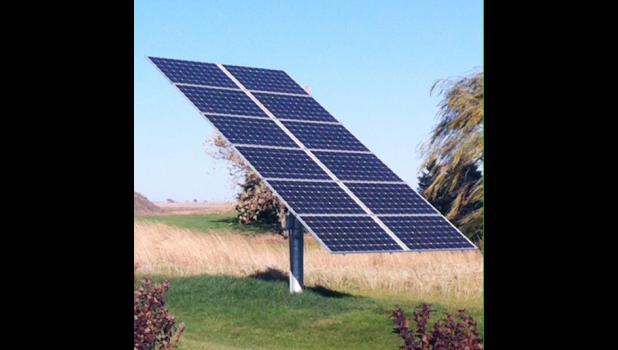
You will see these panels either on a roof or standing alone in a yard. Some are systems that operate independently and others are tied into the electrical grid. As long as light is hitting it, it is making electricity. This includes moonlight, your portable lighting, radiant light from fires, etc. Covering them up with a thick tarp can reduce the output. You need to use a tarp that doesn’t let light through. A test for this would be to hold the tarp you intend to use for this up on a bright day. If you can see light through it, as with most tarps you can, it won’t work.
Some have said to apply a firefighting foam blanket. This will not work. Foam lets light through. The frame and all components can become energized to levels up to and maybe over 600 volts. Never touch the frame or attempt to cut any of the panel or wires connecting them. Locate the main disconnect from the solar panels to shut the power off. This only disconnects the lines from there on but the lines feeding from the panel are still on and energized.
If the panels are on a roof we have additional hazards. The first is “do we need to be near them to provide ventilation?” If the answer is no then stay clear of them. If the answer is yes then we have another set of concerns. The panels have added weight to the roof they we’re on. If they are a retrofit then the roof is already holding more than it was intended to. You are now adding additional weight with firefighters performing ventilation. You also need to allow room so that the firefighters are not touching the panels or any hardware associated with them, remember it should all be considered energized. The panels could come loose from their support and fall from the roof. Be sure the area below the panels is clear of personnel. Panels that are loose, even those that may have come through the roof due to fire may still be capable of generating voltage. What if it isn’t a fire but high winds from a storm? These panels are vulnerable to being tossed around. If they are mixed up in the remains of a building they could be difficult to deal with as well.
Some basic guidelines
• If you don’t have to be near them then don’t be.
• If it’s light enough to see the panel cells then it is light enough for them to make electricity.
• Don’t cut the wires coming from them or connecting them together.
• Don’t touch, cut, or strike any part of them or the brackets holding them.
• Use only approved disconnect devices to stop the power from them. Remember they are still on from the panel to the disconnect point.
• If you have to be near them cover them with a double layer of thick woven salvage covers that will not allow light to get through. Remember to not make contact with any part of them in this effort.
Training Objectives
Upon completion the firefighter should be able to….
• Recognize solar panel installations.
• Discuss hazards associated with solar installations.
• Identify steps to mitigate solar installation hazards.
• List some basic guidelines for dealing with solar systems.
Scott Meinecke is a member of the Sheldon Volunteer Fire Department, an instructor at Northwest Iowa Community College, and field staff for the Fire Service Training Bureau. He can be contacted by email smei@nwicc.edu