
Ignition Interlock Programs
By Jim McGee
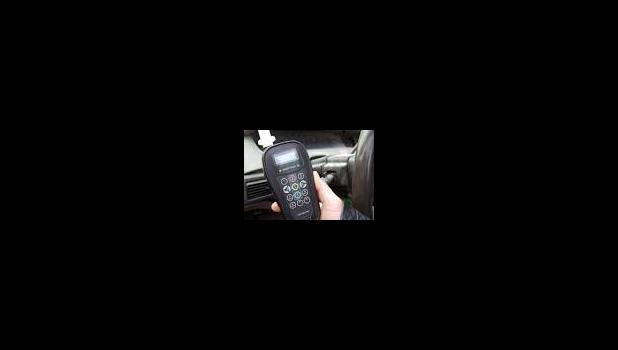
Ignition interlock devices are attached to a convicted driver’s vehicle ignition system as a term of probation. An ignition interlock device separates drinking from driving and stops drivers who have consumed alcohol from operating a motor vehicle if the motorist’s breath alcohol concentration exceeds a set point.
According to the National Highway Traffic Safety Administration, crashes in which alcohol was the cause resulted in 11,226 fatalities and 326,000 nonfatal injuries last year.
Within the next hour, someplace in the United States, police, fire and rescue, highway maintenance workers and towing and recovery operators will be summoned to the scene of a fatal alcohol-related crash. 41 percent of highway fatalities that occur around the New Year’s Day holiday are alcohol-related; while 37 percent that happen on Christmas are alcohol-related.
The CDC says that about a third of drunken drivers are repeat offenders and that a drunken driver has driven inebriated 80 times before being arrested. Of those who are caught, 50-75 percent continue to drive on a suspended license. Researchers found that when interlock devices were installed, re-arrest rates for alcohol-impaired driving decreased by a median of 67 percent.
Alcohol impairment among drivers involved in fatal crashes in 2011 was 4.5 times higher at night than during the day. In 2011, 15 percent of all drivers involved in fatal crashes during the week were alcohol-impaired, compared to 31 percent on weekends.
The initial cost and monthly fee for the interlock device are paid by the offender. Ignition interlock devices are attached to a convicted driver’s vehicle ignition system as a term of probation. An ignition interlock device stops drivers who have consumed alcohol from operating a motor vehicle if the motorist’s breath alcohol concentration exceeds a set point.
Drivers must provide a breath sample by blowing into the ignition interlock device. If the driver’s blood-alcohol content is over the set point, the vehicle won’t start. An interlock-equipped vehicle can only be started if the driver blows into the device and registers below the legal limit of 0.08 percent.
New Mexico was the first state to mandate alcohol interlocks for all convicted drunk drivers in 2006 with a resulting 38 percent decline in drunk driving deaths. According to the National Conference of State Legislatures, all 50 states have an ignition interlock law of some type. California has a pilot program in four of its largest counties. Colorado and Maine’s laws are not mandatory for a first conviction, but there are “incentives” to install an interlock device on the first conviction.
In 2013, the National Highway Traffic Safety Administration released model guidelines for states encouraging them to adopt ignition interlock for first-time convicted drunk drivers and establish a minimum length of time in which offenders must use the interlocks.
According to NHTSA’s Model Guidelines for State Ignition Interlock Programs, ignition interlock programs should include partners in law enforcement, state highway safety offices, prosecutors, judiciary, driver licensing agencies, probation, technology manufacturers, and treatment programs.
The Model Guidelines for State Interlock Programs state that Ignition interlock programs can be delivered in through the judiciary within the criminal justice system; administratively within the driver licensing system, or using a hybrid approach that incorporates both judicial and administrative driver licensing elements.
Sweden and Finland have implemented interlock technology on a broader scale, including commercial trucks, taxis and child transit services.
The writer lives in Nebraska and can be contacted at jim.mcgee.ne@gmail.com